Turning Ambiguous Problems Into Testable Decisions
A practical framework for narrowing unclear user problems into bounded software changes, observable tests and deliberate product decisions.
Supermoon Software / September 15, 2026 / 6 min read
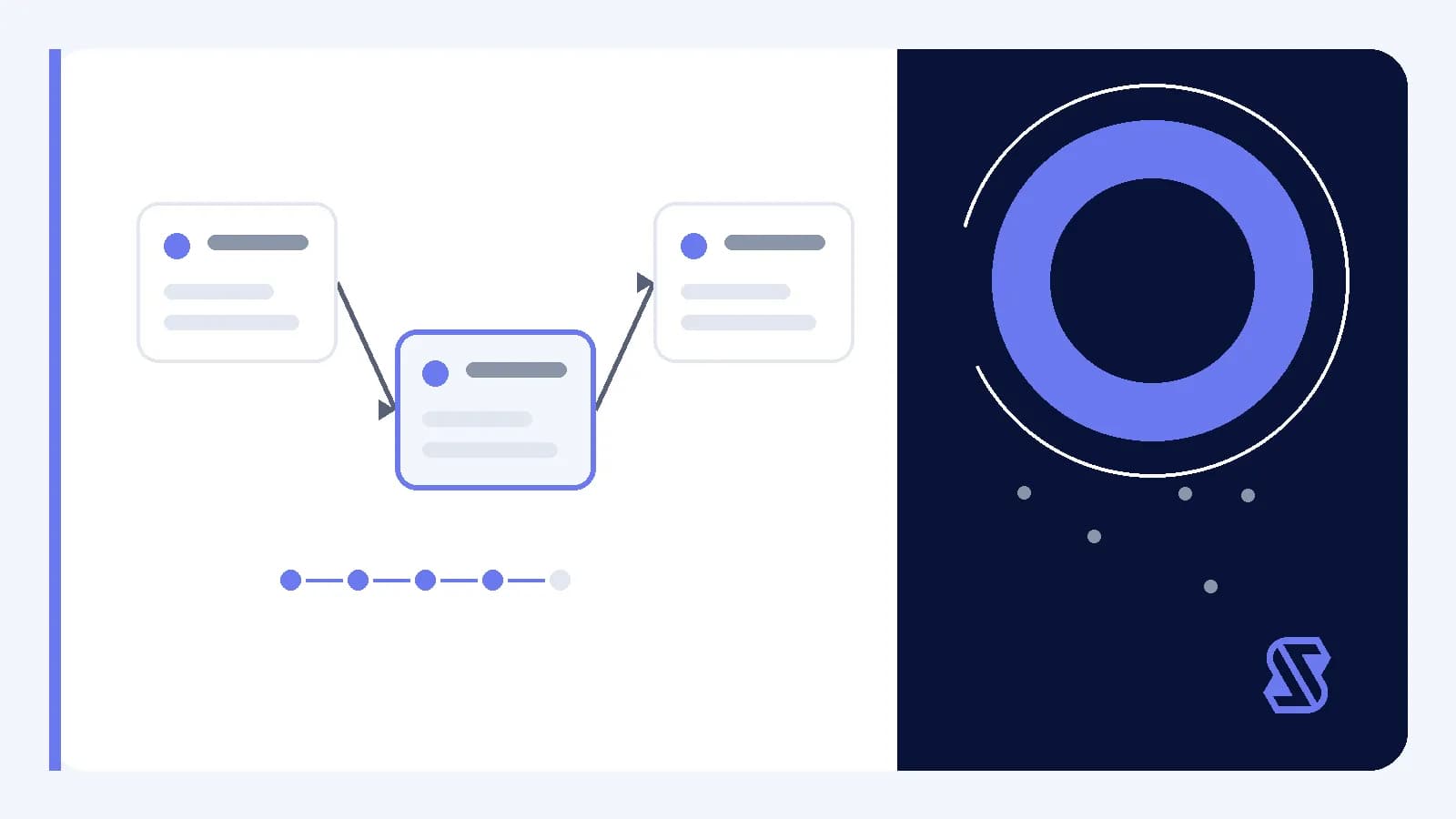
An ambiguous product problem may arrive as a broad request: make setup easier, improve trust, reduce effort or clarify what happens next. These descriptions may identify genuine friction, but they do not yet tell a team what to build. Each leaves open questions about context, affected states and acceptable tradeoffs.
The useful next step is not immediate certainty. It is a sequence of smaller decisions that exposes assumptions without committing the product to a large solution. The framework below moves from problem boundaries to observable checkpoints, then uses the resulting evidence to support a deliberate keep, revise or stop decision.
Draw a boundary around the problem
Start by describing the situation rather than a proposed feature. A situation includes the intended task, the point where progress becomes uncertain and the conditions surrounding that moment. This separates the problem from an early solution idea. It also gives design, engineering and product roles a shared object to examine.
A problem boundary states what the current decision includes and excludes. It should be narrow enough to guide work while leaving room for competing explanations. Useful boundary questions include:
- What task is the person trying to complete in this situation?
- Which product state appears immediately before the suspected difficulty?
- What information is available, missing or potentially misunderstood at that point?
- Which related concerns will remain outside this particular decision?
The wording matters because a boundary can quietly contain an untested explanation. For example, “people abandon setup because it is too long” combines an observed condition with a proposed cause. A more useful framing would identify the exact setup state under review and ask whether a smaller change at that point supports completion. The cause then remains a question rather than becoming a requirement.
Map uncertainty to software states
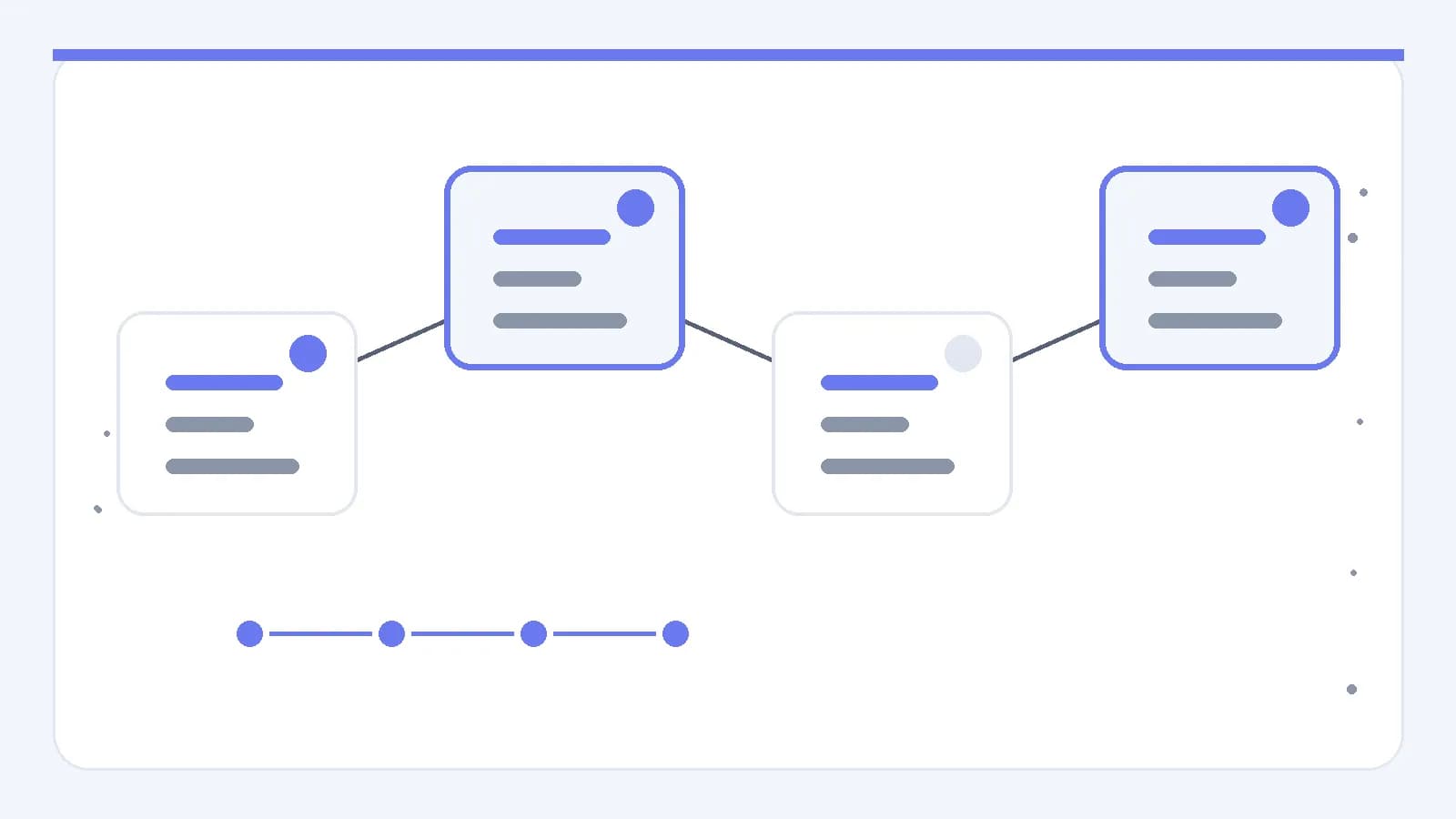
Next, translate the bounded problem into a decision map. A decision map is a simple representation of relevant software states, transitions and assumptions. A state is a distinct condition the product can display or process, while a transition is the change from one state to another.
The map should identify where the team is making a product choice rather than merely documenting existing behavior. A checkpoint is a place where an assumption can be reviewed through observation, structured feedback or a technical check. Building the map from left to right can make dependencies and unresolved branches easier to discuss.
- Name the starting state without implying why the difficulty occurs.
- Mark the transition where the proposed change would take effect.
- Describe the intended next state in visible, verifiable terms.
- Add checkpoints for assumptions that could change the design.
- Record excluded branches so they are not mistaken for forgotten work.
Choose the smallest meaningful test
A small test should reduce uncertainty about a product decision, not simply reduce implementation effort. A cosmetic adjustment may be easy to ship yet reveal little about the underlying problem. Conversely, a narrow flow with realistic states may require more care but provide a clearer basis for choosing what to do next.
Define the test through acceptance criteria, meaning the conditions that must be met for the change to behave as intended. Include the relevant starting state, action, response and failure condition. If the criteria require vague judgments such as feeling intuitive, replace them with observable questions about whether the intended path can be found, completed or recovered.
Keep the test connected to one decision. If it changes instructions, navigation, validation and recovery at once, a useful result may still leave the responsible choice unclear. The team can instead hold several elements constant and vary the one tied to the current question. This is not a rule against combined changes. It is a way to preserve a readable connection between the test and the next decision.
Decide what evidence can answer
Evidence is useful only when it corresponds to the decision being tested. Instrumentation, meaning product code that records selected events or conditions, can show whether defined states were reached. It cannot by itself explain intent, confusion or satisfaction. Those questions may call for direct observation, structured review or another method chosen for the specific uncertainty.
Before implementation, write down what each signal could support and what it could not establish. This helps prevent a convenient measurement from becoming a substitute for the actual question.
- Event records can confirm that a defined transition occurred under recorded conditions.
- Error details can help locate a technical failure without explaining the broader product concern.
- Structured observation can record where a participant pauses while leaving the reason open to interpretation.
- Written feedback can suggest explanations that still require examination against the product state.
A decision record, meaning a short account of the question, test and interpretation, can keep the evidence within its original scope. It need not become extensive documentation. Its purpose is to distinguish what the team observed from what it inferred, note which conditions were checked and identify any remaining assumption that could affect the decision.
Include failure and recovery states
A test that covers only the intended path leaves important design decisions unresolved. Add plausible failure and recovery states within the chosen boundary. A recovery state is the product condition that helps continue, retry or safely stop after something does not proceed as intended.
The team should verify any dependency on external platforms, operating systems or connected tools in the actual implementation environment. Rather than assuming a dependency will respond consistently, decide what the product should show while waiting, after an interruption and when required information is unavailable. This turns reliability from a later repair task into part of the tested decision.
Recovery should also have a boundary. A test does not need to address every possible interruption, but it should identify which affected states belong to the decision and which require separate work. For each included state, specify the information the product retains, the action available next and the condition that indicates whether recovery succeeded. Any unresolved state should remain visible rather than being treated as an implied future fix.
Make the next decision explicit
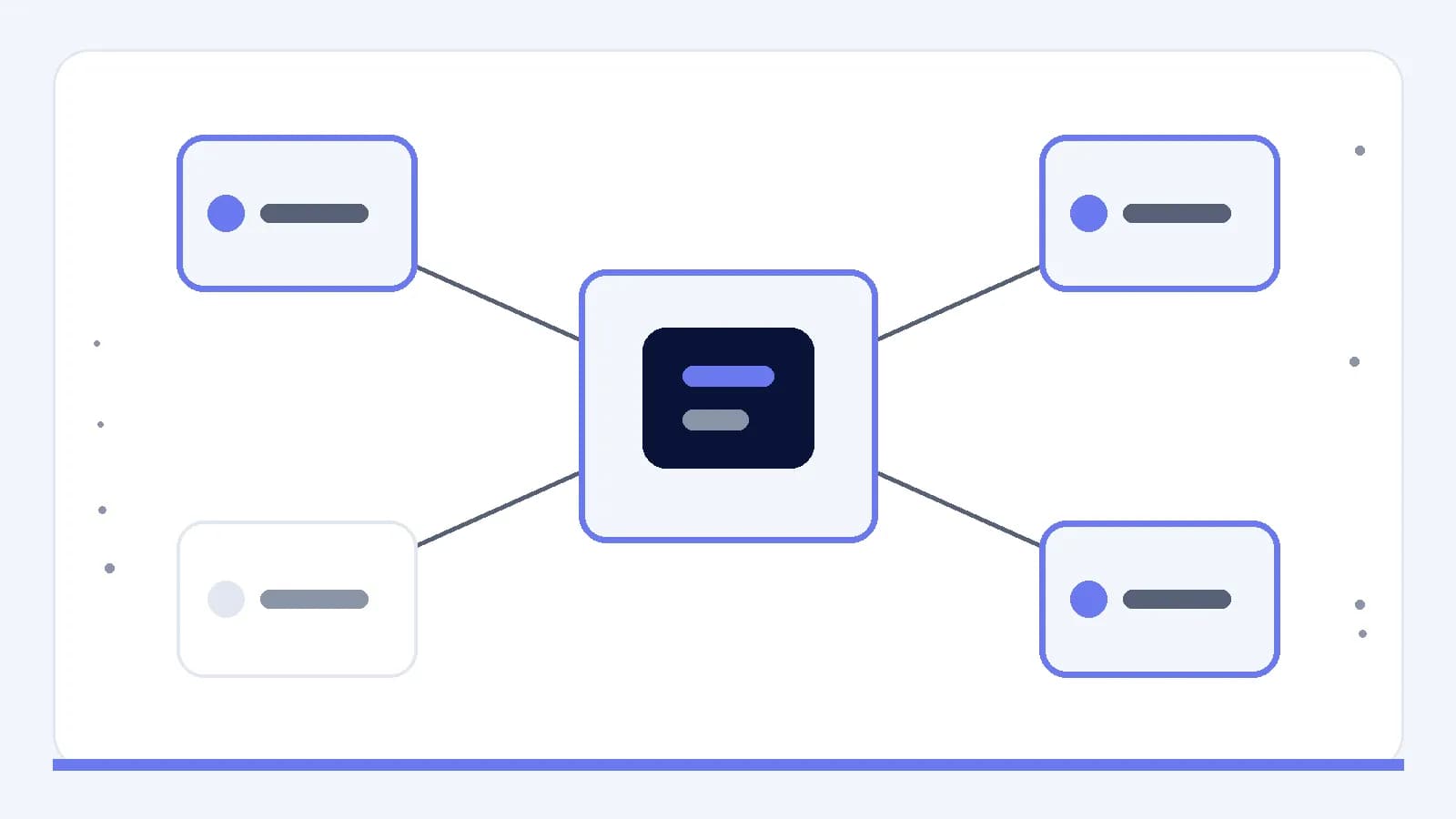
After reviewing the checkpoints, return to the original boundary. Keep the change if the relevant states behave as intended and the remaining uncertainty is acceptable for the current scope. Revise it if the test exposes a correctable assumption. Stop it if the proposed direction no longer addresses the bounded problem or introduces tradeoffs the team does not want to accept.
The practical sequence is to frame the situation, map its states, choose a meaningful test, define evidence limits and include recovery. The output is not certainty about every aspect of the problem. It is a smaller, traceable software decision with clear reasons, visible conditions and a defined question for whatever comes next.